The link can look right before it redirects: what malicious traffic distribution changes
Search results, compromised sites and advertising links can route different visitors to different destinations.
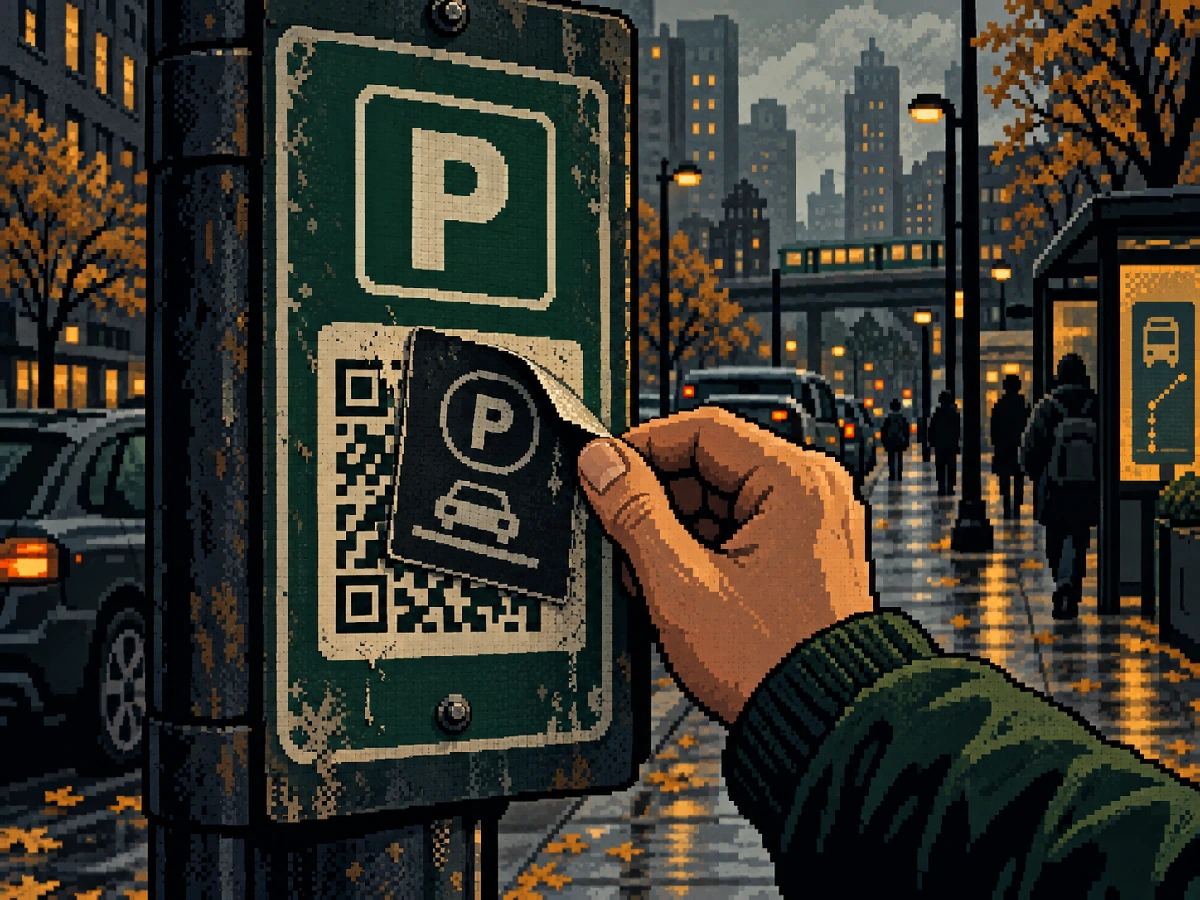
A suspicious destination is not always visible in the first link. The FBI’s June advisory on malicious traffic distribution systems describes infrastructure that can decide where a visitor goes after a click, including fake login pages, fraudulent financial sites or malware prompts.
The initial route may come from a phishing message, a poisoned search result, an advertisement that resembles an official result or a legitimate site whose code has been modified. Different visitors may see different destinations, which makes a single successful test less reassuring.
Why search familiarity is weak evidence
People often treat the first result as a shortcut to a company’s official page. That habit is especially risky when looking for customer support, software downloads or account recovery. The result’s position and familiar wording do not prove who controls the destination.
Reduce the number of redirects you trust
- Use a saved official app or bookmark for important accounts.
- Read the domain before entering credentials or downloading an update.
- Do not install an update because a page claims the browser or device is blocked.
- For support, use the number printed on the card, statement, device or product documentation.
- If a page behaves differently on repeat visits, preserve the URL and report it rather than testing it with more credentials.
The defensive goal is not to decode every redirection system. It is to avoid allowing a search result or unexpected link to choose the route for a high-value action.
Primary source: FBI IC3, “Cyber Criminals Redirecting Users to Fraudulent Websites with Malicious Traffic Distribution Systems,” June 18, 2026 ↗